


The North East of England has undergone a quiet but profound business transformation in 2025. While national headlines have often focused on London, the Midlands, and the South East, the North East has been steadily reshaping its economic identity — moving from historic industrial heartland to a modern hub for clean energy, advanced manufacturing, electric vehicles, and digitally driven SMEs.
As the region enters 2026, many of the long-term strategies announced in previous years are now translating into real jobs, real infrastructure, and real commercial opportunities. This article explores how business has changed across the North East in 2025, what those changes mean for companies on the ground, and what is most likely to define the regional economy in 2026.
Business in the North East in 2025: A Year of Transition and Delivery
Devolution and regional leadership reshaped economic direction
One of the most significant structural changes in 2025 has been the growing influence of regional decision-making through the North East Mayoral Combined Authority.
After several years of planning and consultation, 2025 marked the point where devolution began to affect businesses directly, rather than simply existing as a political framework.
Key impacts included:
-
Clearer regional priorities for investment and regeneration
-
Greater coordination between councils, universities, and major employers
-
A more coherent message to investors looking at the North East as a single economic region rather than fragmented local authorities
For businesses, this meant improved access to support, clearer routes into public funding, and better alignment between skills provision and employer demand.
Clean energy became the North East’s defining growth sector

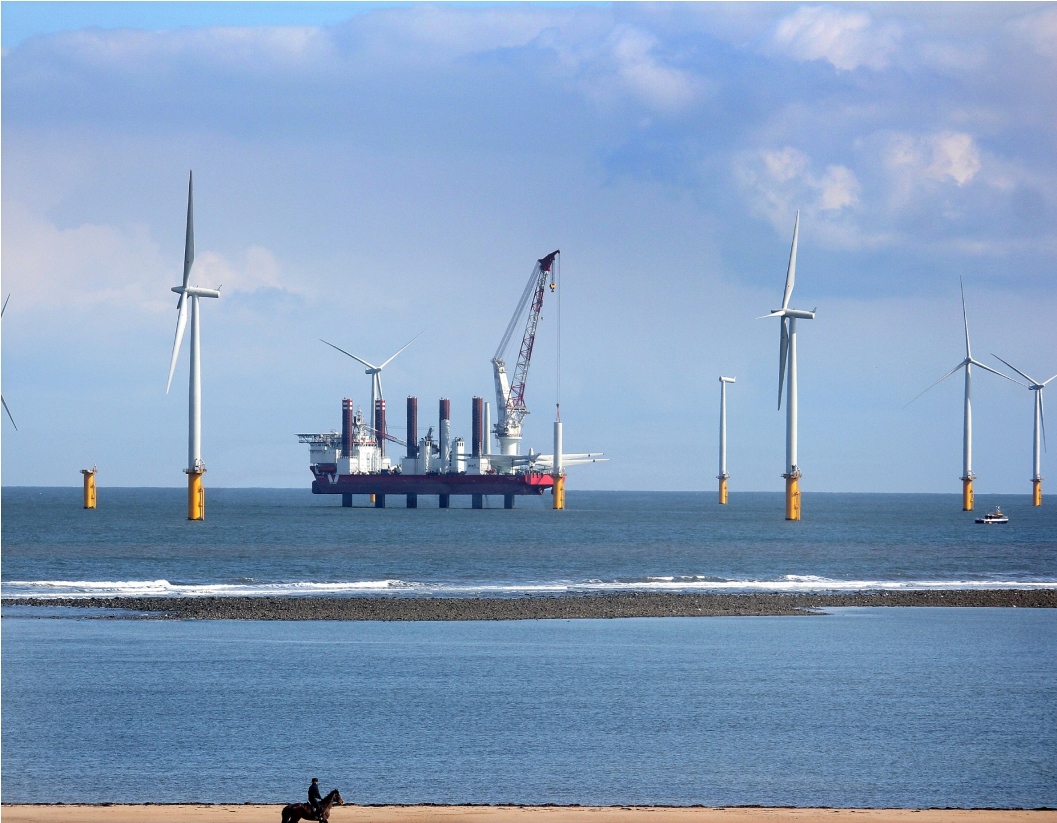
If one sector dominated business growth narratives in 2025, it was clean energy and net-zero industry.
The North East strengthened its position as a national hub for:
-
Offshore wind manufacturing and servicing
-
Low-carbon industrial processes
-
Hydrogen and energy-intensive innovation
-
Port-based logistics linked to renewable infrastructure
The region’s industrial coastline, deep-water ports, and available brownfield land made it particularly attractive for large-scale clean-energy projects. In 2025, the shift was noticeable: less talk, more delivery.
Developments linked to the Teesside Freeport continued to shape supply chains, encouraging manufacturers, logistics firms, and engineering specialists to locate or expand in the area. For local SMEs, this created new opportunities to enter long-term, contract-based supply relationships rather than relying on short-term project work.
Automotive and EV manufacturing moved into a new phase

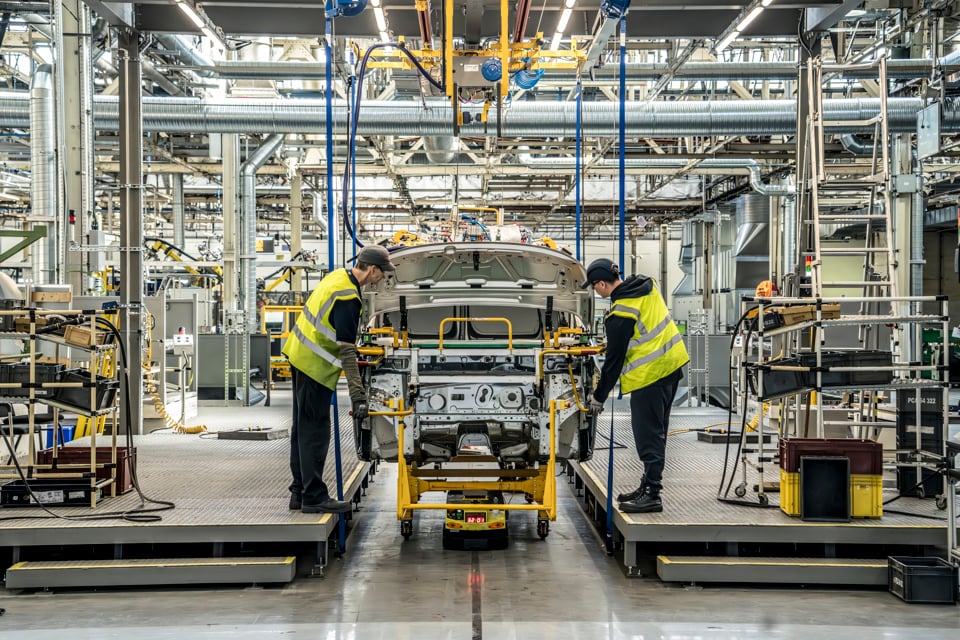
Few business stories better illustrate the North East’s evolution than automotive manufacturing in Sunderland.
In 2025, Nissan continued its transformation of the Sunderland plant into a flagship electric-vehicle production facility. This was not simply an upgrade — it represented a shift toward a fully integrated EV ecosystem.
At the same time, battery manufacturer AESC advanced plans for expanded gigafactory capacity in the region. While global EV demand softened in some markets during 2025, the North East remained strategically important for long-term electrification plans.
What changed for business in 2025:
-
Tier-two and tier-three suppliers began scaling up
-
Engineering, logistics, and maintenance firms saw increased demand
-
Recruitment shifted toward electrical, software, and automation skills
Rather than depending on one employer, the region started building an interconnected manufacturing ecosystem — a crucial distinction for long-term economic resilience.
SMEs faced pressure — but adapted faster than ever
While major investments made headlines, small and medium-sized enterprises formed the backbone of the North East economy in 2025.
Challenges were real:
-
Higher wage costs
-
Tighter consumer spending in parts of the retail and hospitality sector
-
Ongoing pressure on margins
Yet many North East businesses responded with rapid adaptation, particularly through technology.
By the end of 2025, SMEs across the region were:
-
Using AI-driven tools for marketing, customer service, and scheduling
-
Automating invoicing, stock management, and admin tasks
-
Expanding online and regional-national sales channels
For many, AI was no longer experimental — it became part of everyday business operations, particularly for firms with limited staff but growing demand.
What Will Change in the North East in 2026: Key Predictions
1. From announcements to outcomes

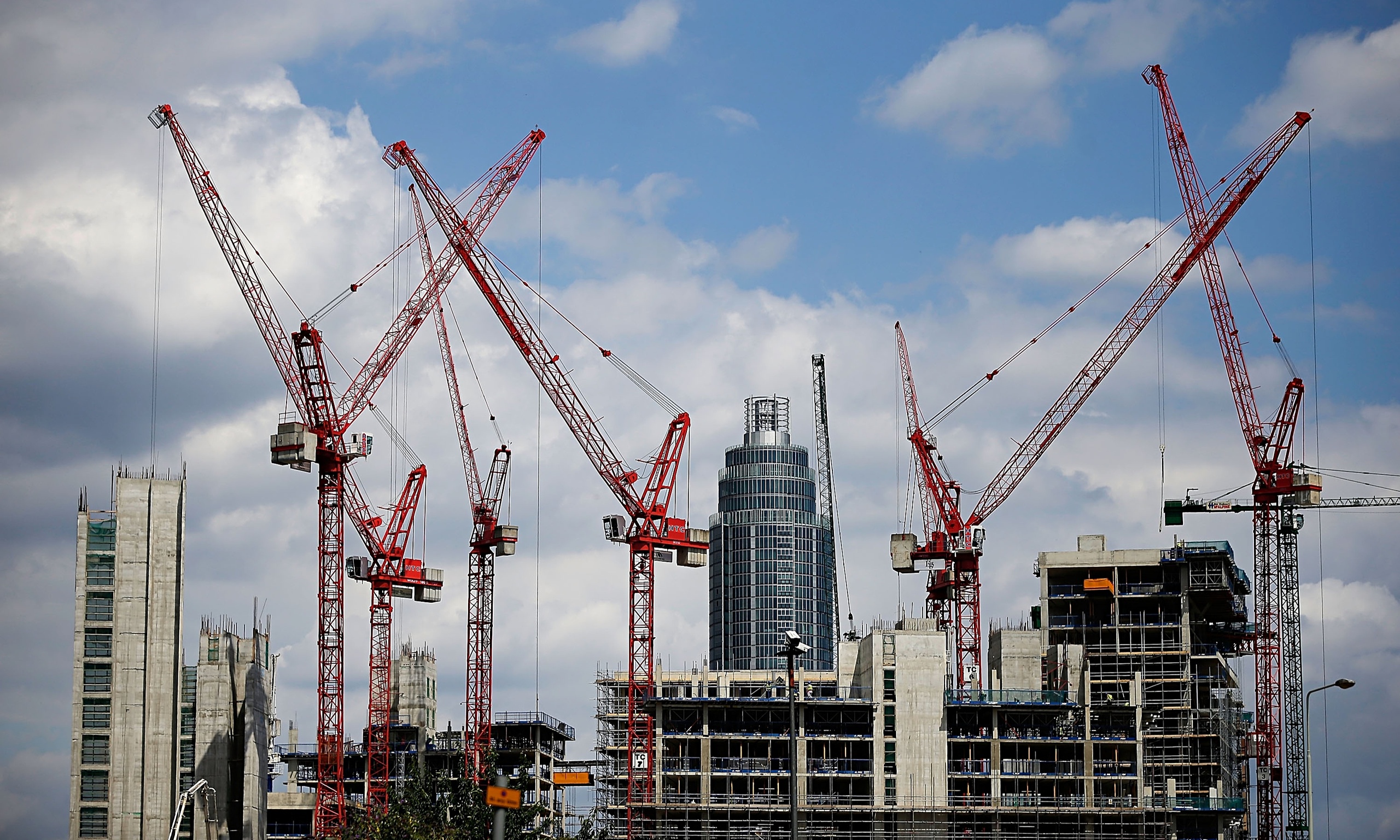
If 2025 was about transition, 2026 is likely to be about proof.
Expect a noticeable shift in how success is measured:
-
Projects moving from planning into production
-
Facilities becoming operational rather than symbolic
-
Employment numbers replacing investment pledges as headline metrics
Battery manufacturing, EV supply chains, and renewable-energy infrastructure are all expected to reach critical delivery milestones, providing tangible evidence of the region’s transformation.
2. Skills shortages will become the biggest constraint
As industrial and energy projects scale, skills availability is likely to become the North East’s biggest economic challenge in 2026.
High-demand roles will include:
-
Electrical and mechanical engineers
-
Automation and robotics technicians
-
Project managers and site supervisors
-
Digital and data specialists
The response is expected to be more employer-led than in the past, with:
-
Paid retraining and conversion programmes
-
Partnerships with regional colleges and universities
-
Clearer progression routes from education into industry
Businesses that invest early in workforce development are likely to outperform competitors struggling to recruit.
3. Business support will become more targeted and data-driven
By 2026, regional business funding is expected to become more selective but more effective.
Rather than broad grants, support is likely to focus on:
-
Firms with clear growth trajectories
-
Businesses that align with regional priority sectors
-
Companies able to demonstrate productivity gains and job creation
This reflects a wider move toward measurable outcomes, where funding success is judged by long-term economic impact rather than short-term survival.
4. AI will become standard business infrastructure
In 2026, AI will no longer be a differentiator — it will be expected.
North East firms are likely to embed AI into:
-
Customer support and CRM systems
-
Sales forecasting and demand planning
-
Preventative maintenance in manufacturing
-
Tender writing, compliance, and reporting
The competitive advantage will come from how well businesses integrate AI into workflows, not simply whether they use it.
5. Risks that could shape the year ahead
Despite strong momentum, several risks could influence business confidence in 2026:
-
EV market volatility: short-term demand fluctuations could affect production schedules
-
Grid and power constraints: energy-intensive industries may face delays without infrastructure upgrades
-
Planning and skills bottlenecks: slow delivery could undermine investor confidence
How regional leaders respond to these challenges will play a critical role in sustaining growth.
Conclusion: A Region Moving from Promise to Performance
By the end of 2025, the North East had clearly entered a new economic chapter. The region is no longer defined by decline or transition alone, but by delivery, specialisation, and long-term strategy.
As 2026 approaches, the North East stands at a pivotal moment:
-
Large-scale investment is beginning to pay dividends
-
SMEs are more digitally capable than ever
-
Clean energy and advanced manufacturing are reshaping the regional identity
The next year will not be about vision — it will be about execution. For businesses willing to adapt, invest in skills, and align with the region’s strengths, the North East in 2026 offers one of the UK’s most compelling growth stories.