

Arts and Culture
Business
Entertainment
Events
Hospitality
North East
North East News
Travel & Tourism
The North East of England has long been defined by creativity rooted in place – from industrial heritage and working-class storytelling to boundary-pushing contemporary art, theatre and music. In 2025, the region’s arts and culture sector entered a pivotal moment: gaining national recognition, attracting new investment, and redefining how culture supports communities, tourism and economic growth.
As 2026 approaches, the North East stands at a crossroads. Will momentum continue? And how might arts and culture evolve amid funding pressures, digital transformation and devolution?
This in-depth analysis explores how arts and culture changed across the North East in 2025, and what trends are most likely to shape the region in 2026.
Arts and Culture in the North East: A Region in Transition
The North East’s cultural identity has always been distinct. Unlike larger metropolitan regions, arts here are often deeply interwoven with local history, social change and community participation.
In 2025, several forces combined to reshape the sector:
-
Increased national visibility
-
Targeted creative industries investment
-
A renewed focus on culture-led regeneration
-
Ongoing challenges around funding inequality
Together, these changes created a year of both optimism and tension.
National Recognition Put the North East on the Cultural Map
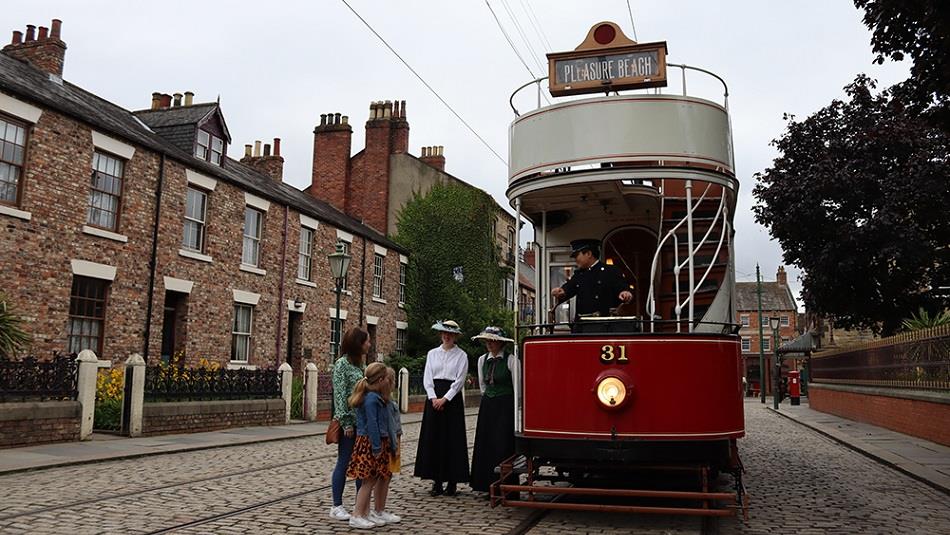
One of the defining cultural moments of 2025 was Beamish Museum winning Art Fund Museum of the Year.
The award was significant far beyond County Durham. It signalled:
-
Recognition of immersive, people-centred storytelling
-
Validation of regional museums competing on a national stage
-
Growing public appetite for experiential heritage
Beamish’s success reinforced a wider trend: heritage venues are no longer passive spaces but active cultural hubs, blending performance, education, food, craft and digital interpretation.
This recognition boosted cultural tourism across the region and strengthened the case for further investment in heritage-led growth.
Festivals and Events Thrived in 2025

Live events and festivals were another cornerstone of cultural change in 2025.
Key highlights included:
-
Stockton International Riverside Festival, continuing its role as one of the UK’s largest free outdoor arts festivals
-
Berwick Film & Media Arts Festival, attracting international artists and experimental media work
-
Growth in smaller, hyper-local festivals across Newcastle, Gateshead, Sunderland and Teesside
These events delivered more than entertainment. They:
-
Boosted local economies
-
Created accessible entry points for arts participation
-
Reinforced the idea of culture as shared civic experience
Creative Industries Investment Gained Momentum
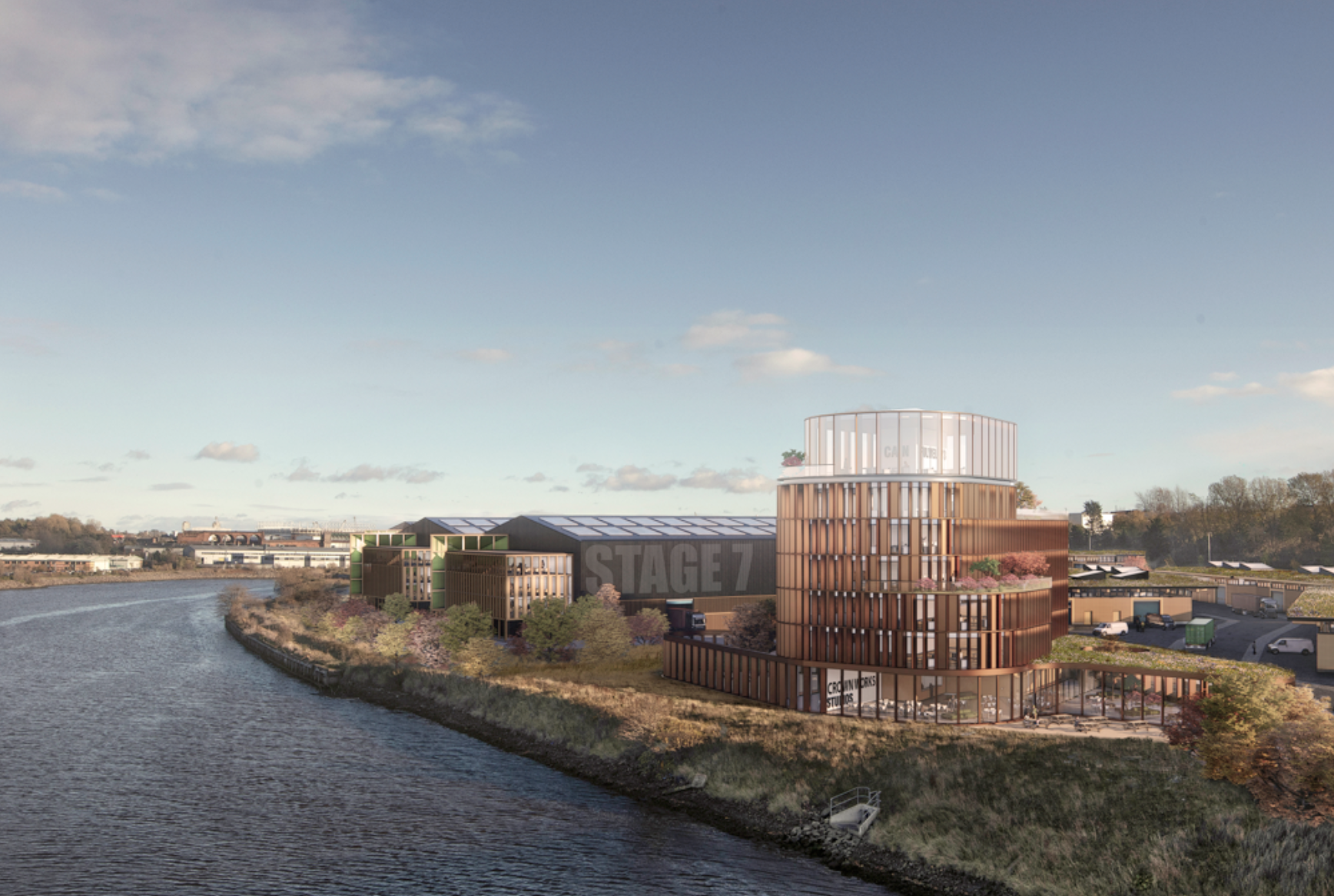
2025 saw a notable shift from short-term cultural funding toward longer-term creative infrastructure.
The North East Combined Authority committed significant funding to:
-
Film and TV production
-
Music and digital media
-
Publishing, writing and storytelling
-
Games and immersive technologies
This marked a move to position culture not only as a social good, but as an economic growth engine.
The expansion of studio spaces, writing centres and production facilities suggested a future where the North East competes nationally for creative talent – without losing its regional character.
Culture as Regeneration, Not Decoration
Across the North East, culture in 2025 increasingly became:
-
A regeneration tool
-
A wellbeing resource
-
A community connector
Town-centre projects integrated:
-
Artist studios in vacant retail units
-
Performance spaces in repurposed industrial buildings
-
Creative programmes tied to education and youth services
This shift reframed arts and culture as essential infrastructure, not an optional extra – particularly in post-industrial and coastal communities.
Persistent Challenges: Funding Inequality Remains
Despite successes, 2025 also exposed structural challenges.
Arts organisations across the North East continued to face:
-
Disproportionately low national arts funding
-
Rising costs for staffing, energy and materials
-
Short-term grant cycles that limit long-term planning
While London-based institutions benefit from consistent investment, many North East organisations relied on patchwork funding models, increasing pressure on freelancers and grassroots groups.
This tension shaped many of the sector conversations heading into 2026.
Digital Culture Took Another Step Forward
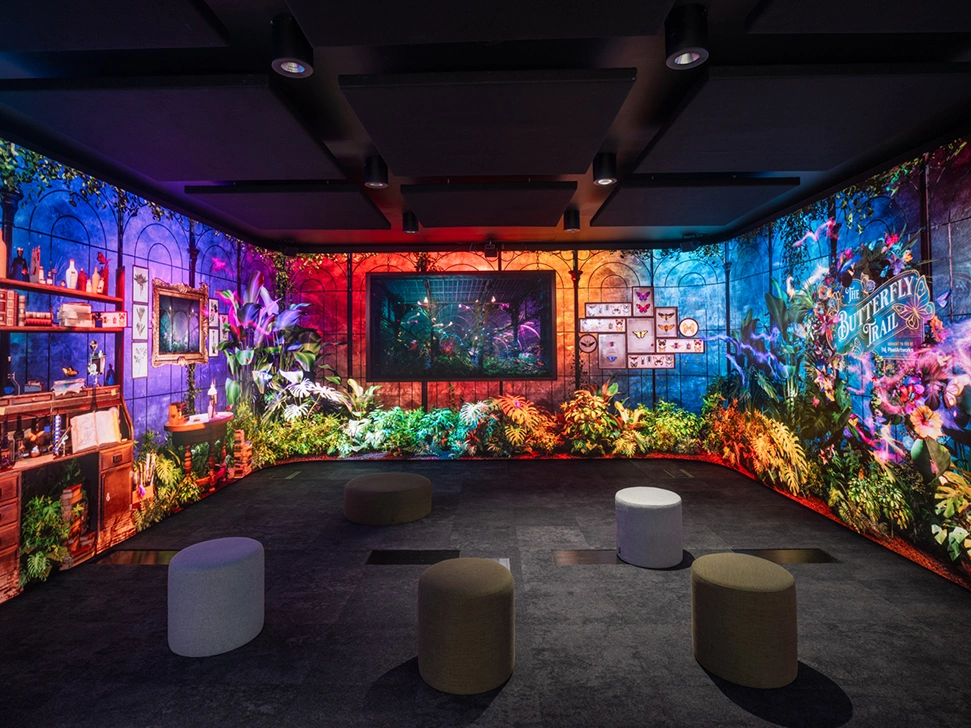
Digital innovation expanded quietly but steadily in 2025.
Museums, theatres and galleries experimented with:
-
Hybrid live-streamed performances
-
Digital archives and storytelling platforms
-
Immersive projection and sound installations
Rather than replacing in-person experiences, digital tools were used to:
-
Broaden access
-
Reach rural and house-bound audiences
-
Preserve regional stories for future generations
This laid strong foundations for further digital growth in 2026.
What Will Change in 2026? Key Predictions
1. Devolution Will Shape Cultural Power
If cultural funding becomes more locally controlled, 2026 could mark a turning point where:
-
Regional leaders tailor funding to local need
-
Community-led arts gain more influence
-
Decision-making moves closer to audiences and artists
This could significantly rebalance England’s cultural ecosystem.
2. Screen and Digital Industries Will Accelerate
The North East is likely to see:
-
More film and TV productions choosing regional locations
-
Stronger links between universities and creative employers
-
Growth in virtual production and immersive media
This expansion could redefine how culture and employment intersect.
3. Festivals Will Become Bigger – and More Purpose-Driven
2026 is expected to bring:
-
Larger, more ambitious festivals
-
Stronger international partnerships
-
Greater focus on sustainability and inclusion
Expect festivals to combine celebration with activism, education and placemaking.
4. Culture Will Play a Bigger Role in Health and Wellbeing
Arts-for-health initiatives are likely to expand, particularly:
-
Social prescribing
-
Creative support for mental health
-
Intergenerational community projects
Culture will increasingly be measured by impact, not just attendance.
5. Inclusion and Access Will Move Centre Stage
In 2026, expect stronger emphasis on:
-
Affordable access for families
-
Youth-led creative programmes
-
Representation in leadership and commissioning
Organisations that fail to address accessibility may struggle to secure long-term support.
The Bigger Picture: Why the North East Matters Culturally
The North East offers something rare in UK culture:
-
Authentic storytelling
-
Deep community roots
-
A willingness to experiment without losing identity
In 2025, the region proved that cultural excellence does not depend on geography or scale. In 2026, the challenge will be turning recognition into resilience.
Conclusion: From Momentum to Legacy
Arts and culture in the North East in 2025 were defined by growth, visibility and ambition – but also by unresolved structural challenges.
Looking ahead to 2026:
-
Investment is likely to deepen
-
Cultural confidence will continue to rise
-
The sector’s success will depend on sustainable funding and inclusive leadership
If momentum is maintained, the North East could emerge not just as a regional cultural force – but as a national model for how arts and culture can power communities, economies and identity.