| RETIREMENT isn’t what it was – and fundamental changes should prompt working people to carefully plan for their post-work worlds, according to the owner of a Sunderland wealth management company.
Financial planners across the UK are reporting a major shift away from so-called ‘cliff-edge pensions’ toward flexible, phased retirements where people gradually reduce working hours while drawing income in stages. David Cook, owner and managing partner of Northern Spire, a Wearside-based wealth management company, said: “The traditional idea of retirement – working full-time one day and stopping completely the next – is rapidly disappearing. “For much of the late 20th century, retirement planning was comparatively simple. Workers contributed to defined benefit schemes that promised a fixed income at a fixed age, typically linked to final salary. The model offered certainty but little flexibility. Today’s pension landscape is very different. “Auto-enrolment, defined contribution schemes and longer life expectancy mean retirees now carry more responsibility – but also more choice. Rather than finishing work entirely, many individuals choose to reduce hours, consult part-time, or pursue new careers while supplementing income from pensions and investments,” said David He continued: “Retirement has become a transition rather than an event. People are living longer, staying healthier and often want purpose as well as income. The challenge is making sure their money lasts as long as they do.” This increased flexibility has created complexity. Individuals must now decide when to draw from pensions, how much to withdraw each year, and how to balance tax efficiency, investment growth and inflation risk. Mistakes can be costly – withdrawing too quickly may exhaust funds early, while withdrawing too cautiously can unnecessarily limit lifestyle. Financial planning technology is playing a growing role in helping households make these decisions with confidence. Software such as Voyant allow advisers and clients to model multiple retirement scenarios, stress-test market downturns and visualise long-term outcomes before making decisions. Northern Spire uses Voyant to model what people’s finances will look like post retirement. Northern Spire financial adviser Simon Oxley explained: “Instead of relying on static projections, modern planning software can show how phased retirement works in practice — for example reducing to three working days per week at age 60, taking partial pension withdrawals at 63, and fully retiring at 67. “People don’t want guesswork,” Simon added. “They want to see whether retiring earlier, helping children on to the property ladder, or travelling more will affect their future security. Voyant lets us demonstrate that in clear, understandable terms.” The trend also reflects changing attitudes toward work. Recent surveys show many pre-retirees fear boredom more than running out of money. Flexible retirement allows them to maintain structure, social connection and purpose while enjoying increased freedom. Simon said: “Experts believe phased retirement will become the norm within the next decade, particularly as the state pension age rises and career patterns evolve. The message is simple: retirement planning should start earlier, be reviewed more often, and focus less on a single date and more on a sustainable lifestyle. “Retirement is no longer about stopping work, it’s about designing the life you want — and making sure your finances can support it.” Northern Spire is a Senior Partner Practice at St James’s Place, one of the foremost wealth management organisations in the UK. For more on the company, go to https://partnership.sjp.co.uk/northernspire |
‘Retirement is a transition, not an event’

ByRob Lawson
Mar 4, 2026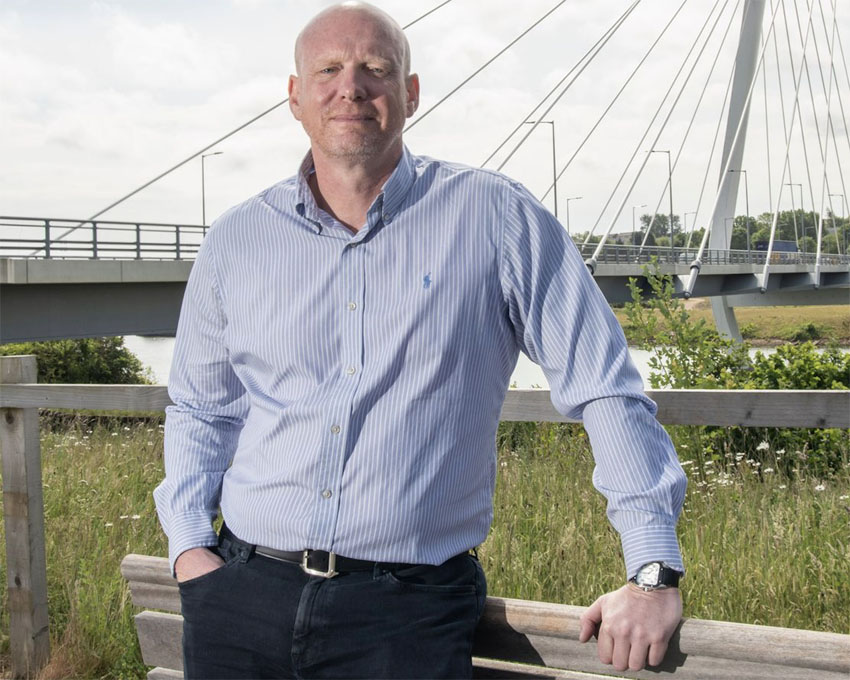 David Cook