
With the FIFA World Cup 2026 group stages well underway, excitement is building for football fans.
Fan zones, pubs, clubs and other licensed venues have scored with the UK government announcing extended openings until 1am or 2am for England and Scotland matches*, set to boost hospitality trade.
According to the British Beer and Pub Association** (BBPA), an estimated 55 million additional pints are estimated to be consumed if England make it to the World Cup final.
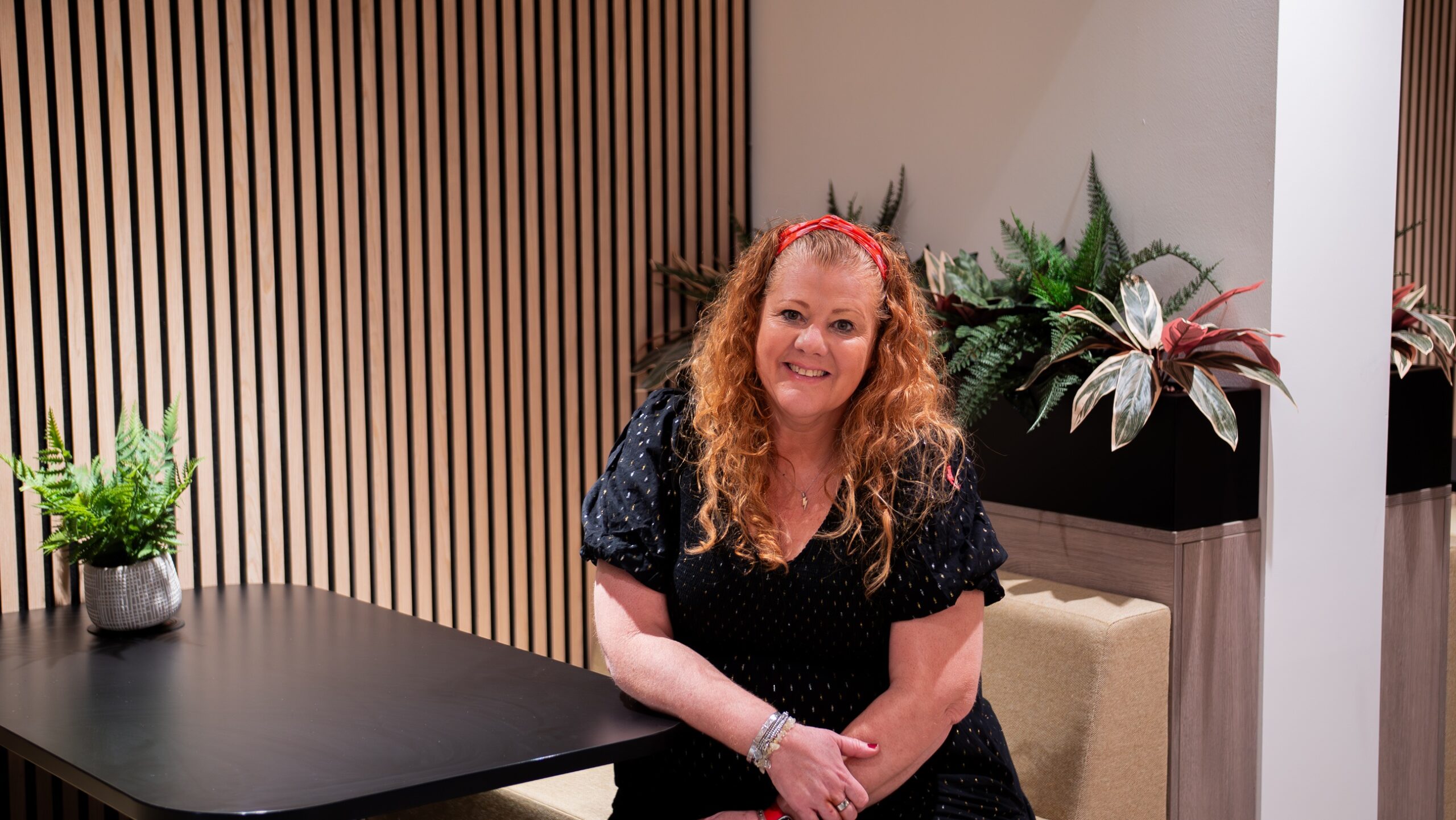
With longer opening hours comes concentrated spikes in water usage. Lissa Wood, Director of SME Customers at Wave, shares her expertise on the simple ways that licensed premises can manage water demand.
Lissa said: “The FIFA World Cup 2026 will be the biggest in football history with more teams and matches than ever before. It’s exciting for fans with matches being screened across the globe and UK licensing laws changed so premises can stay open for fans to watch together. With longer opening hours and with any luck a long World Cup run for England – hopefully all the way to the final – pubs and other licensed venues have been given a much-needed boost.
“It’s set to positively impact hospitality footfall, however with this comes sudden spikes in water demand, putting additional pressure on the UK water system, and an increase to bills for venues. My advice to pub landlords and venue owners is to not let water issues get in the way of a fantastic summer of sport.
“Thankfully, there are a few simple things that can help keep premises as water efficient as possible and quick visual checks, especially in bathrooms, will help spot any issues. Leaking taps and constantly flushing urinals are big water wasters and a leaking toilet can waste as much as 400 litres a day – that’s a cost of £300 a year if left unfixed. In the kitchen, avoiding leaving taps running when washing glasses and preparing food, as well as waiting until glass and dishwashers are full before switching them on are also simple ways to save water and money.”